 TCOT
TCOT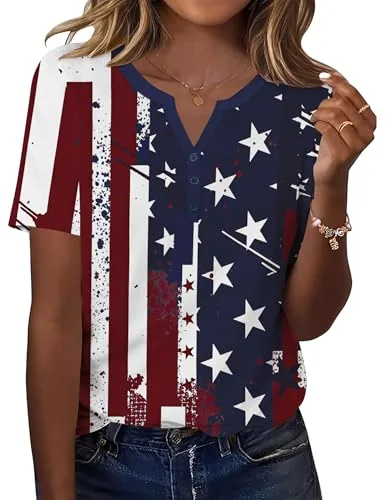
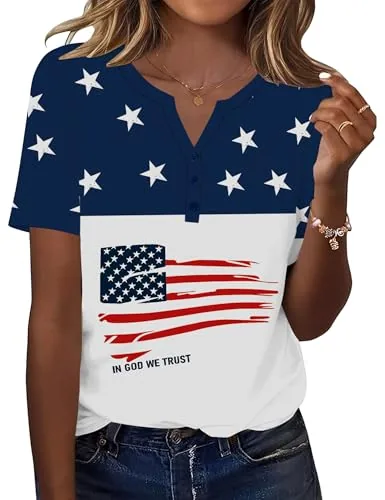
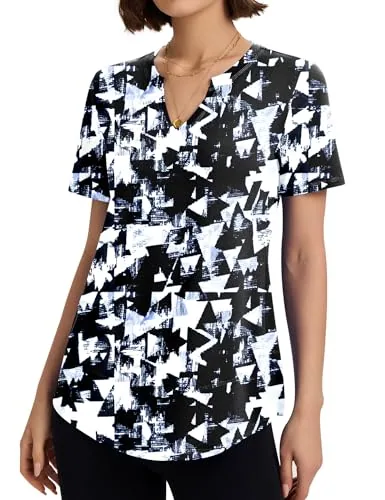
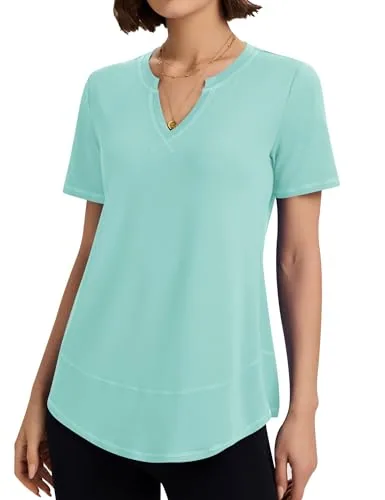
V Neck Tops for Women Short Sleeve Dressy Casual Blouses T Shirts
Size L
$11.934.2 out of 5 · 2,327 ratings

Women's clothing since 2019
TCOT makes women's tops, knitwear and packable rain layers for the ordinary day that goes from a desk to a footpath without warning. 485 pieces, 7 shelves, sizes S to 3XL.
New in
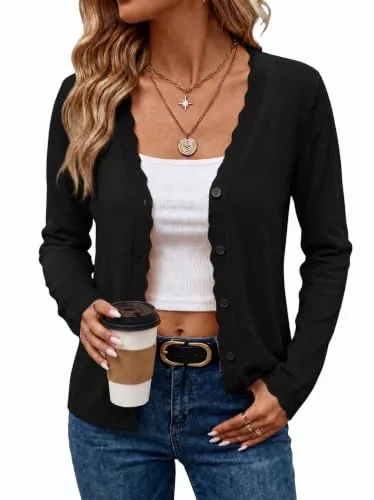
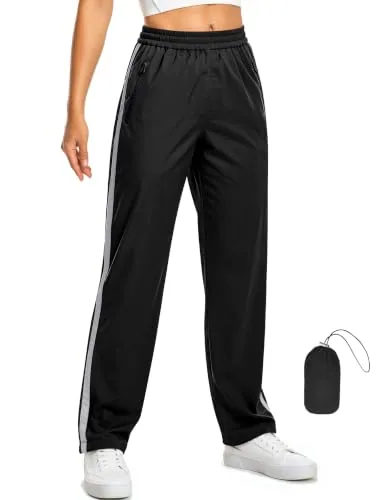
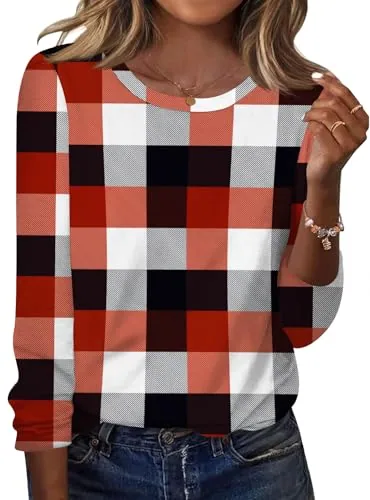
One from each of the shelves people reach for first. Every card carries the size, the price and the rating we hold.
What TCOT is
TCOT is a women's clothing label. We design tops, cardigans, activewear and packable rain layers, and we sell them ready to wear rather than made to order.
One habit shapes the range rather than a season. Most of what we make is a layer: something that goes over a t-shirt, under a coat, or into a bag for the part of the day nobody planned for. That is why the rain shelf and the knitwear shelf outgrew the rest, and why almost nothing here says dry clean only.
Sizes run S to 3XL. We cut the plus sizes on their own pattern rather than grading them up from a small. Prices start at $8.79.
TCOT also stands for several things that have nothing to do with clothing, including a calculated take-off time in air traffic management and the Canadian Trade Office in Taipei. This site is the women's clothing label. If you came looking for one of the others, an encyclopaedia will serve you better than we can.
Seven shelves
One row per shelf, counted from the range as it stands today. The counts move as pieces come and go, and the table is rebuilt each time we update prices.
| Shelf | Pieces | Starts at | What it is for |
|---|---|---|---|
| Rain & Outerwear | 110 | $19.99 | Packable raincoats, windbreakers and rain trousers |
| Activewear | 26 | $9.49 | Yoga, hiking, gym and running pieces |
| Cardigans & Sweaters | 75 | $11.98 | Open cardigans, button knits, pullovers and sweatshirts |
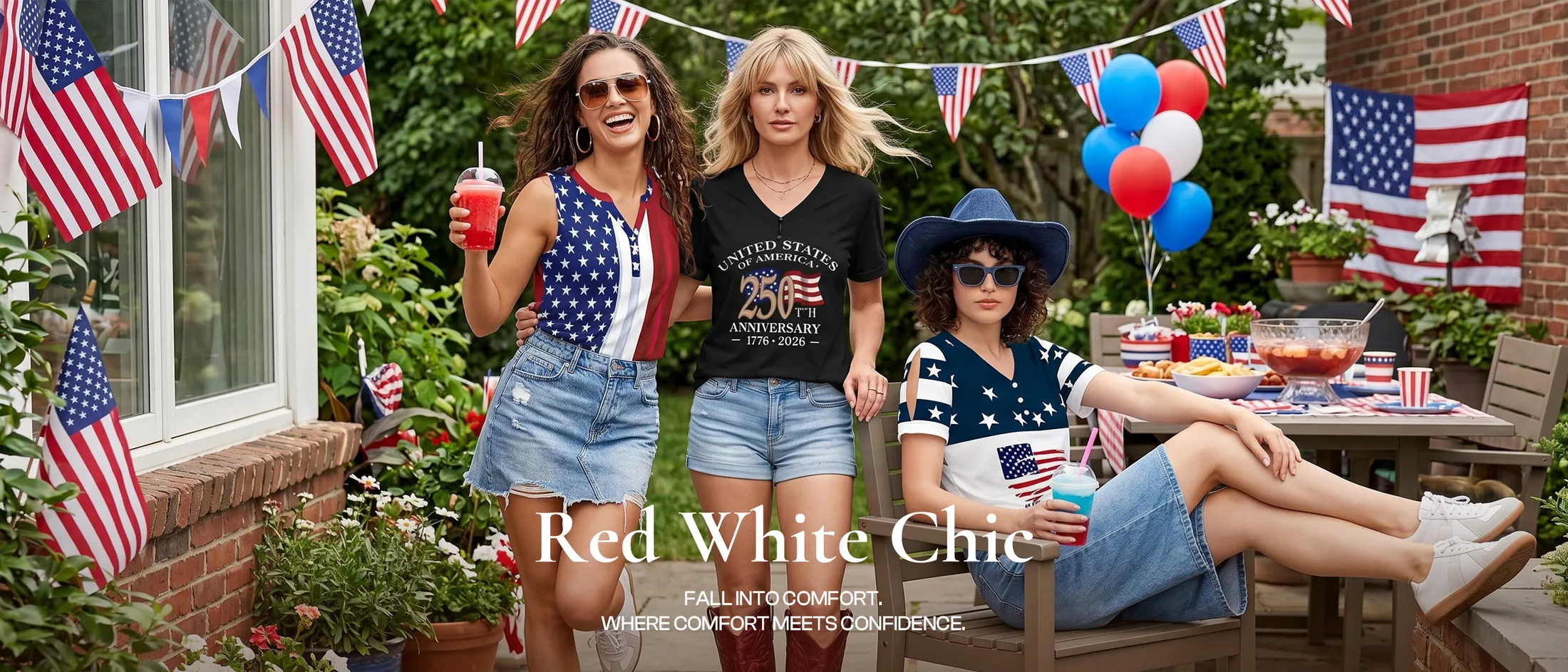
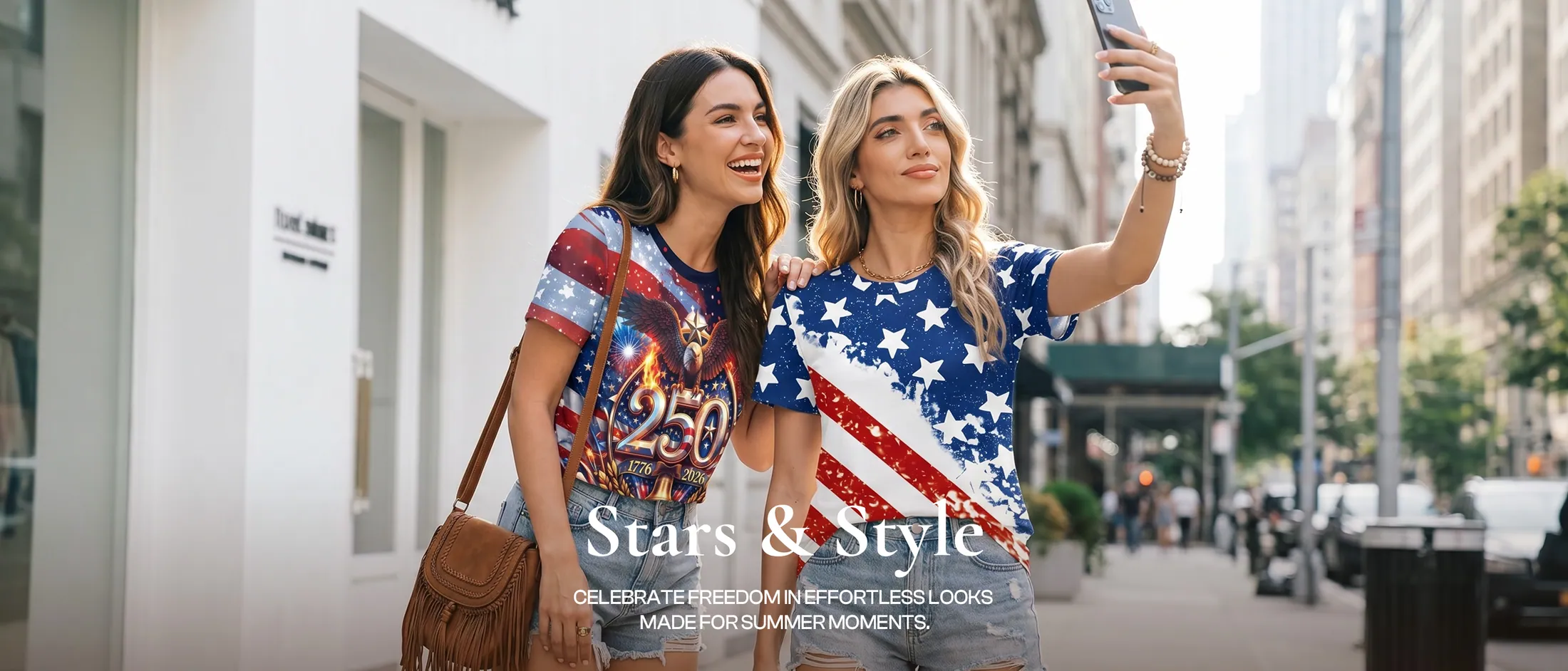
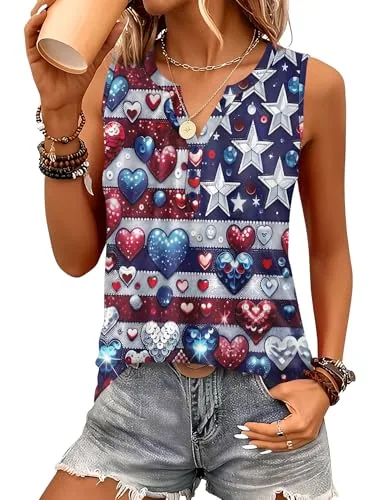
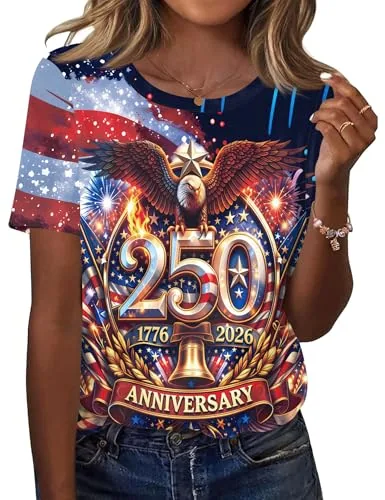
| Patriotic Prints | 66 | $11.93 | Flag prints and Fourth of July pieces |
| Long Sleeve Tops | 53 | $9.99 | Crew necks, tunics and layering tops with a full sleeve |
| Sleeveless & Tanks | 25 | $8.82 | Tanks, camis and sleeveless shells |
| Short Sleeve Tops | 130 | $8.79 | Crew necks, V necks, tunics and everyday tees |
The TCOT view
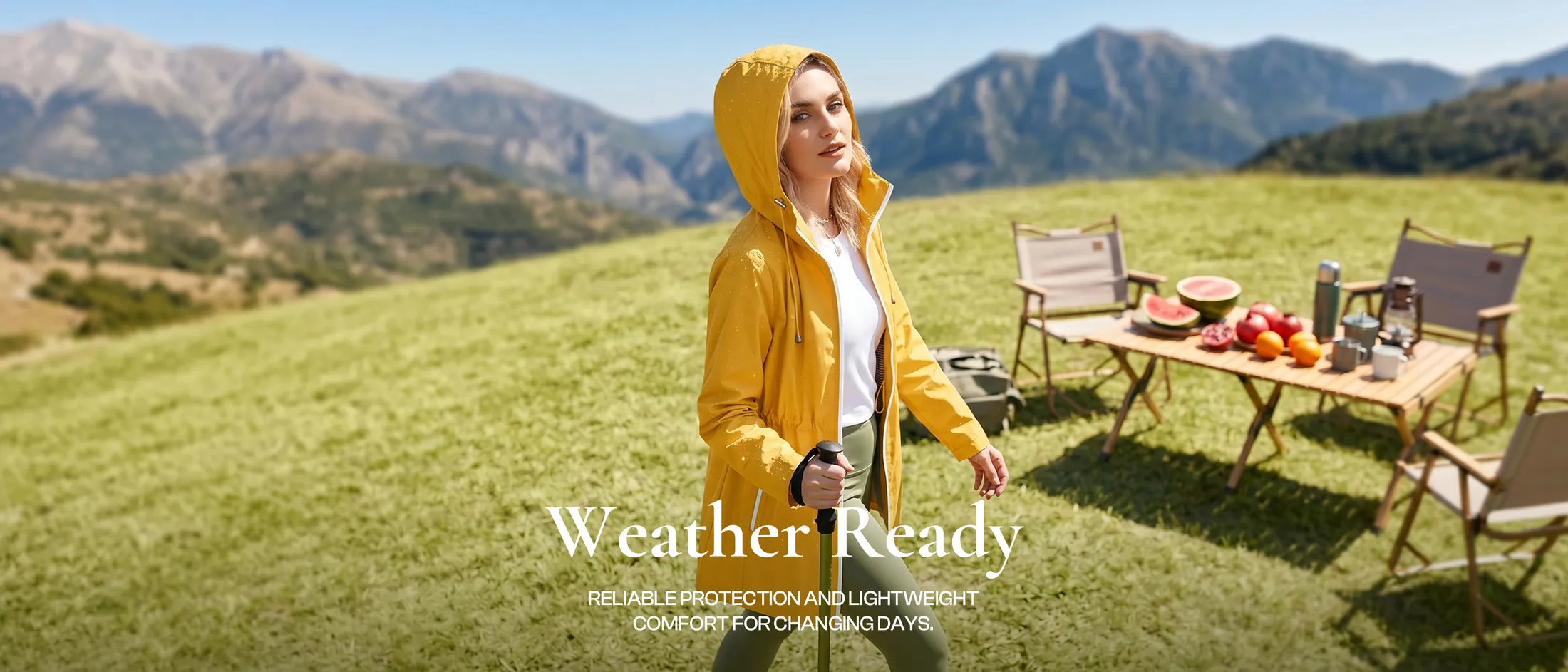
A jacket that works on a platform and on a path is worth two that each work in one place. That is the whole of our design brief, and it is why so much of the range folds into its own pocket.
See the rain shelfThe rain shelf
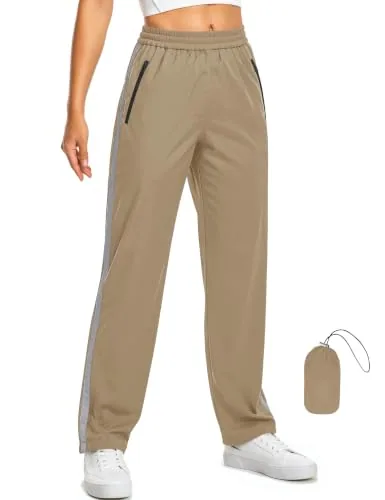
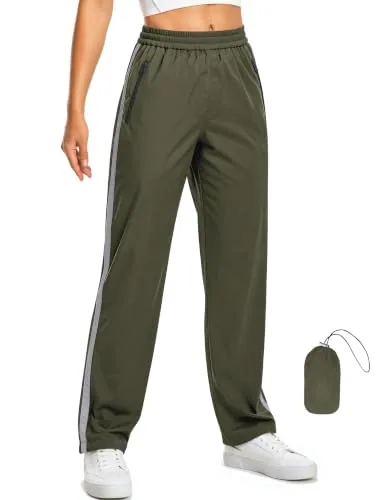
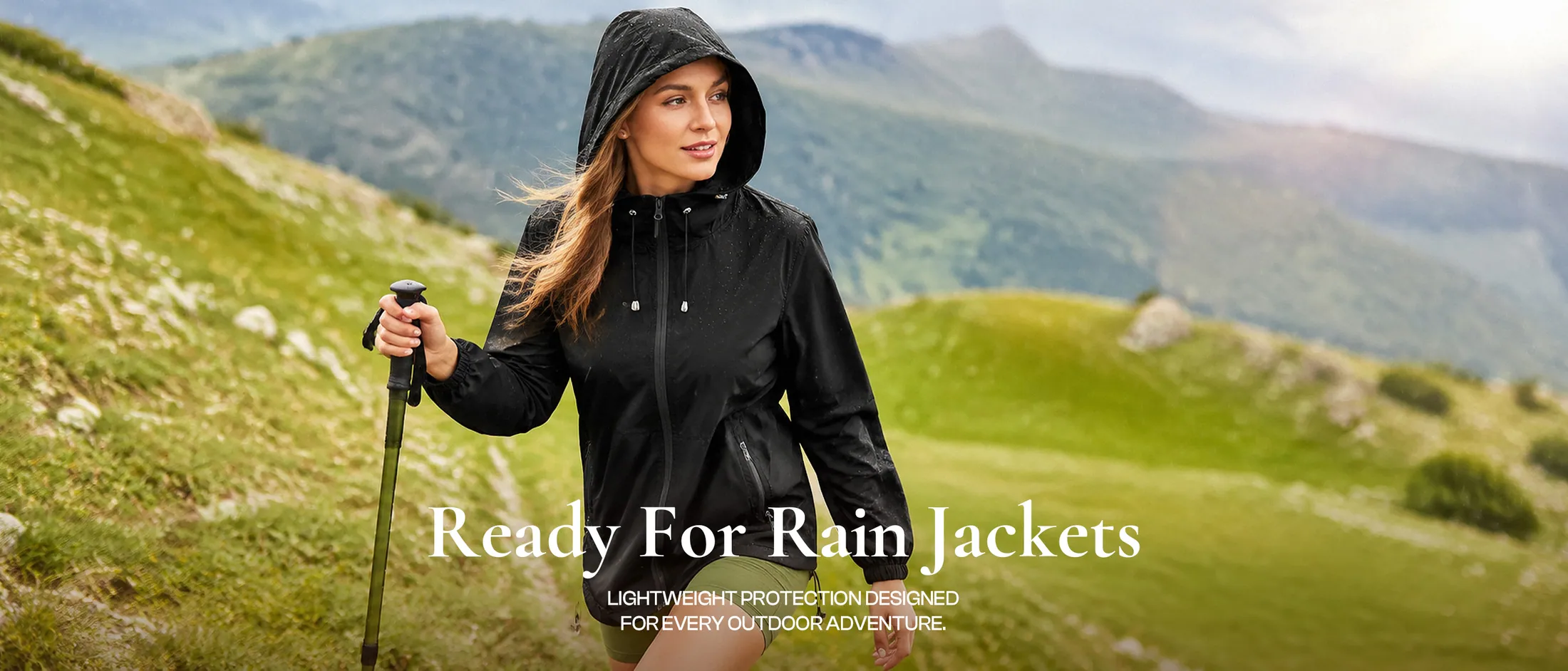
Packable layers for a shower rather than a mountain. We say which is which on every one.
The TCOT story
In 2019 we wanted one jacket. Light enough to carry all day, honest enough to keep the rain off for the twenty minutes it actually rained, and small enough to live in a handbag rather than on an arm.
That one requirement produced everything else we sell. Once a jacket folds into its own pocket, you start asking the same question of a cardigan, of a tunic, of the top underneath.
We design ready-to-wear layers and we choose the fabric for how it behaves after a day, not on the roll. A knit that pills in a fortnight goes back. A shell that beads water on the first wear and wets out on the fourth never reaches a shelf.
The other half of the job is the cut. We cut the tunics long enough to wear over leggings, because that is what people do with them. We curve the hems so an untucked shirt reads as a choice. We set the sleeves for reaching rather than for standing still.
The layer decides whether a day works. Coats belong to winter and t-shirts to July, but the fortnight either side of both makes up most of the year, and that fortnight belongs to cardigans and shells.
The TCOT lineup grew along that line. Rain shells led to the light knits you wear under them, knits led to the tops that go under those, and the activewear shelf appeared when the same customers started wearing the same layers on a trail.
| Shelf | Pieces | Starts at | What it is for |
|---|---|---|---|
| Rain & Outerwear | 110 | $19.99 | Packable raincoats, windbreakers and rain trousers |
| Activewear | 26 | $9.49 | Yoga, hiking, gym and running pieces |
| Cardigans & Sweaters | 75 | $11.98 | Open cardigans, button knits, pullovers and sweatshirts |
| Patriotic Prints | 66 | $11.93 | Flag prints and Fourth of July pieces |
| Long Sleeve Tops | 53 | $9.99 | Crew necks, tunics and layering tops with a full sleeve |
| Sleeveless & Tanks | 25 | $8.82 | Tanks, camis and sleeveless shells |
| Short Sleeve Tops | 130 | $8.79 | Crew necks, V necks, tunics and everyday tees |
The table above is counted from the shelves as they stand today, and it moves. A piece we cannot supply comes off the site rather than sitting behind a grey button, and it returns to the same address when it returns.
A season starts with three or four problems somebody wrote to us about. A cardigan with pockets deep enough for a phone. A tunic that covers the back on a bicycle. A shell that goes over a work jacket rather than under it.
We buy the fabric first and live with it for a fortnight. Half of what we like on the roll fails in that fortnight, usually by pilling, twisting at the side seam or going limp after a wash. What survives goes into a first sample, and the first sample is worn by somebody here for a working week.
The week turns up the useful faults. A sleeve that rides when you drive. A hood that will not stay back. A hem that catches on a bag strap. A hanger shows none of it, and all of it decides whether a piece gets worn twice or forty times.
Water resistant and waterproof mean two different things, and we keep them apart. A coated shell keeps a shower off for the length of a shower. It will not stand in for a mountain jacket, and if you are out for six hours in real weather you want one of those instead.
The same goes for a print. A flag on a shirt is a design, not a statement about where the shirt was made. The label says where a piece came from, and our labelling guide explains what the law actually requires there.
None of that is modesty. It is the part of the description most brands leave out, and the part that decides whether you still like a piece in March.
The middle layer
Open fronts and light weights, because the cardigan is the piece that actually gets worn.
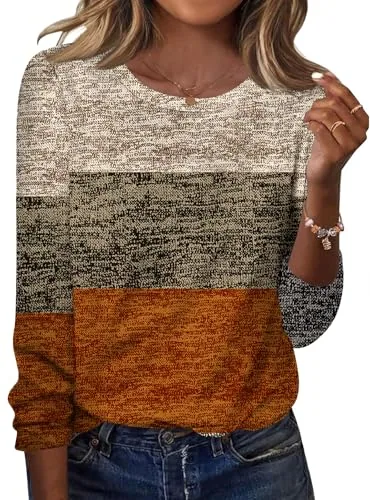
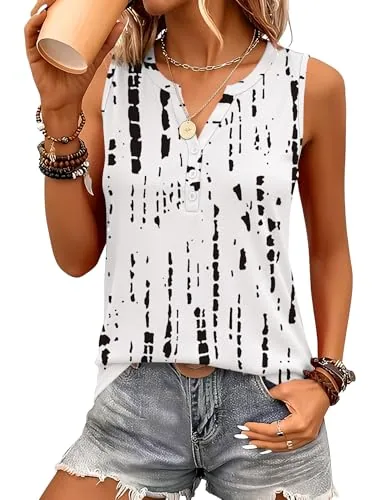
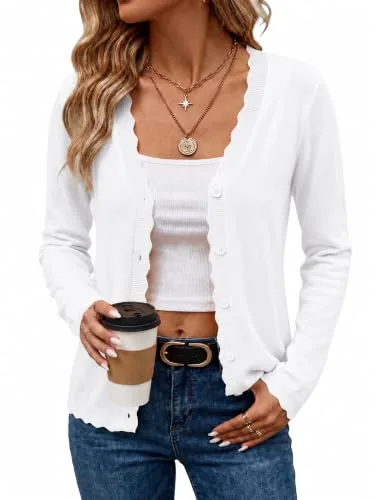
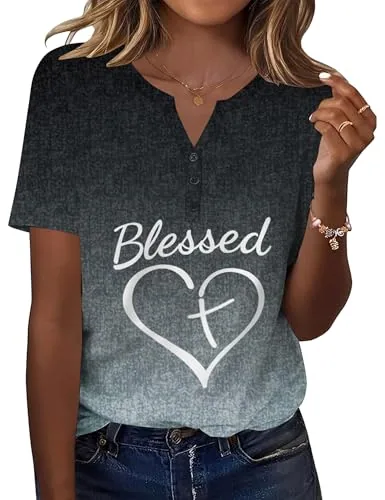
The range, in the open
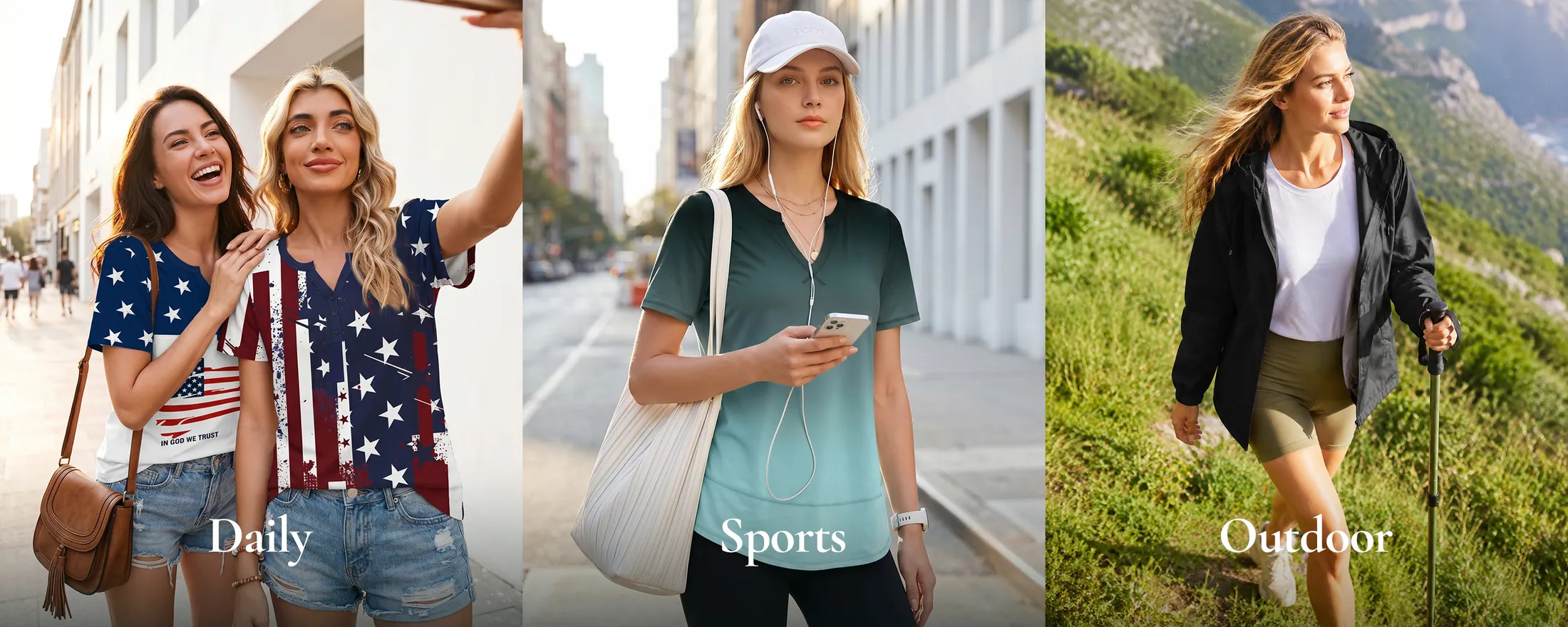
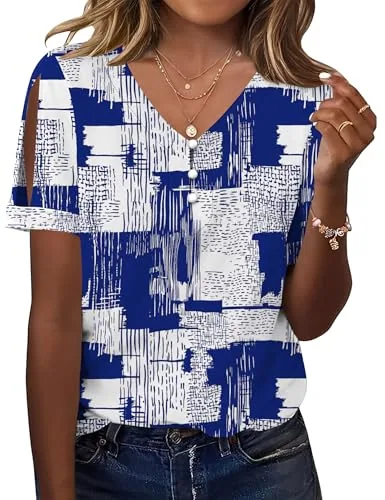
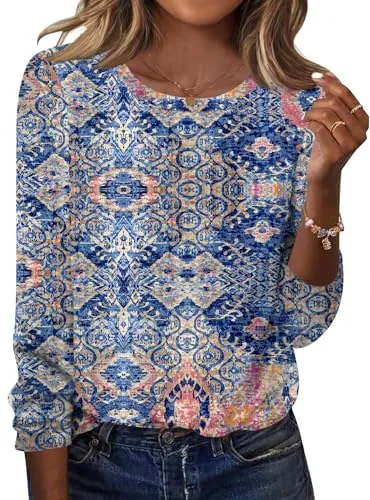
Brand photography and pieces from across the shelves. Click any frame to open it full size.
Size and fit
Sizes in the range run S to 3XL. The table below is counted from the pieces on sale today, so it shows what is actually available in each size rather than what a size chart says exists.
Cut on its own pattern
Plus sizes here are drafted rather than graded up, so the shoulder does not widen with the body.
| Size | Pieces on the shelf | Shelves it appears on | Starts at |
|---|---|---|---|
| S | 167 | 7 | $8.79 |
| M | 61 | 7 | $9.99 |
| L | 75 | 7 | $9.49 |
| XL | 64 | 7 | $9.49 |
| XXL | 44 | 7 | $9.49 |
| 3XL | 24 | 5 | $9.49 |
Between two sizes, take the larger one in knitwear and the smaller one in shells. A cardigan that is roomy reads as a cardigan. A shell that is roomy reads as a borrowed coat.
What we check
None of these are laboratory tests. TCOT standards come from the ordinary ways clothes disappoint people, turned into things somebody looks at before a run goes out.
How we chooseWe wash a sample before we sign anything off. Colour that shifts, a hem that twists or a seam that puckers on the second wash is a fabric we do not take.
Somebody puts the piece on and reaches for a high shelf. If the hem comes up over the waistband, the body is too short and the pattern goes back.
Shells are sprayed, worn and sprayed again. What we print is what the coating still did on the fourth wear, not what it did on the first.
Fibre content, origin and care go on the label because the law requires them. We pass on the maker's wording rather than improving it.
“The Care Labeling Rule requires manufacturers and importers to attach care instructions to clothing and some piece goods”
A maker needs a reasonable basis for every instruction, so "Dryclean Only" has to be supportable.
Prints and trails
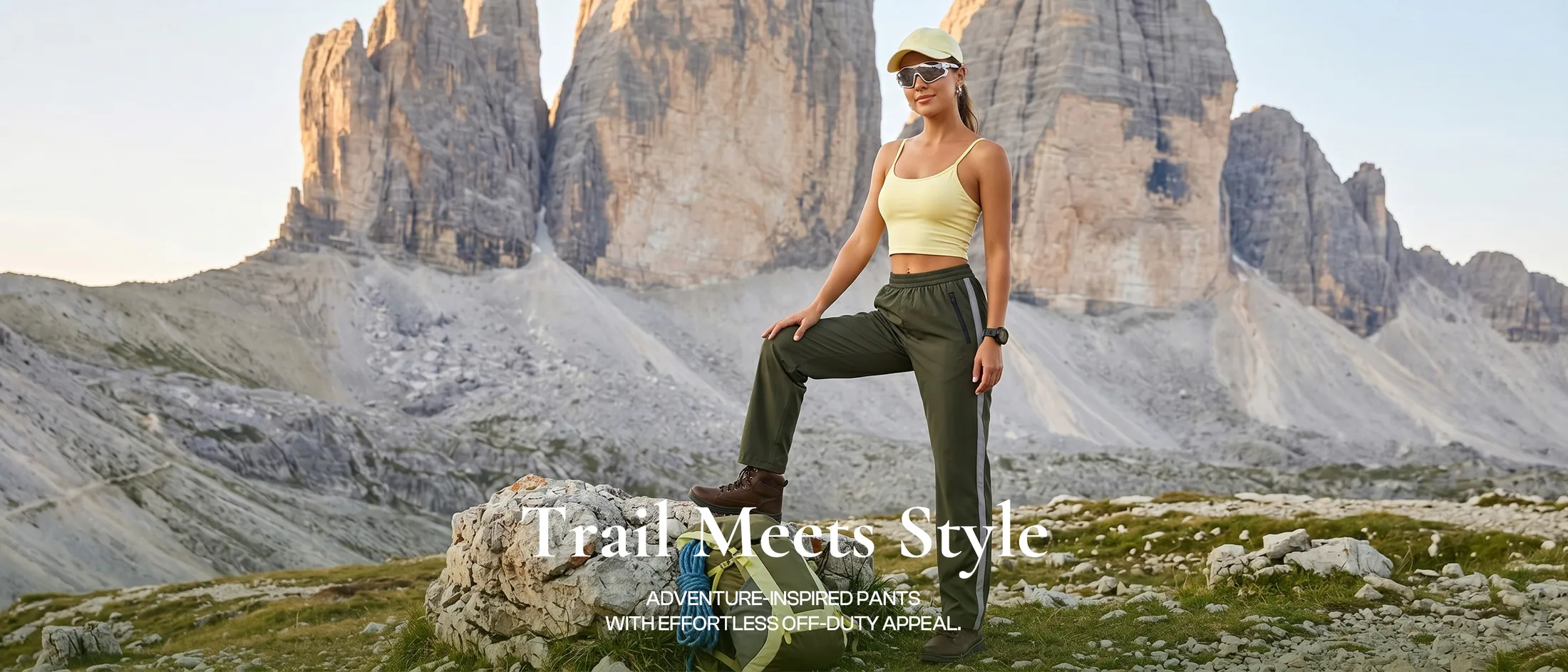
From the patriotic and activewear shelves: the pieces that decide an outfit rather than finish it.
Three ways to buy a light shell
There are three normal ways to solve the same problem. We win on two of the four rows and lose on one, and we would rather show you the one.
| A TCOT shell | A technical mountain shell | A fast-fashion rain jacket | |
|---|---|---|---|
| What it is for | A commute, a school run, a light trail | Six hours of real weather | One festival |
| Packability | Folds into its own pocket | Packs small, weighs more | Usually does not pack |
| What it costs | Under thirty dollars as a rule | Several hundred | Cheapest of the three |
| Where it loses | Not a mountain jacket, and we say so | Overbuilt for a bus stop | Rarely survives a second season |
The middle column is the honest one. If your day involves a ridge line and driving rain, buy the mountain shell and keep ours for the week.
From the guides
Labels, layering and sizing, each worked through on our own shelves rather than on a general example.
What American law actually requires on the label of a garment, read at the source: fibre content, country of origin, the care instruction, and why a print is never an origin claim.
1521 words · 11 sections
Read the guideA working method for layering: what each layer is for, what a coated shell actually does in rain, and how to build a week of outfits from four pieces rather than fourteen.
1600 words · 11 sections
Read the guideWhy a medium is not a medium, how to measure a garment you already own, what a plus size cut actually changes, and how to read a range like ours before you order.
1462 words · 11 sections
Read the guideStraight answers
They are water resistant, which is a different thing. A coated shell keeps a shower off for the length of a shower. For a day on a ridge in real weather you want a mountain jacket, and we would rather say so than sell you one of ours.
They run true to the size on the label with a little room. In knitwear take the larger size if you are between two. In shells take the smaller one, because a roomy shell reads as a borrowed coat.
Yes. The plus sizes are cut on their own pattern rather than graded up from a small, so the shoulders and the body length change together rather than the width alone.
Because we could not supply it. It comes off the site rather than sitting behind a grey button, and it comes back on the same address when it comes back.
They are refreshed on a schedule and the prices page carries the date of the last update in plain words.